Moving to Soda Springs, Idaho: What to Know Before You Buy

By Brenda Birch, real estate agent with Mountain Retreat Real Estate LLC, Soda Springs · Updated [publish date] · About an 8-minute read
Soda Springs is a small mountain town in Southeast Idaho with a big personality: a geyser that erupts on the hour, natural soda water you can drink straight from a spring, and some of the best outdoor recreation in the region right outside town. It’s also a working town, with steady industrial jobs and housing that costs less than much of Idaho.
If you’re thinking about moving to Soda Springs, this guide covers what people ask most: what it costs to live here, what homes are like, schools, healthcare, jobs, winters and the trade-offs of small-town life.
Soda Springs at a glance
- ● Population of roughly 3,000 (U.S. News reports about 3,014)
- ● Typical home value about $265,600 (BestPlaces)
- ● Public schools: Soda Springs Joint School District #150
- ● Around an hour’s drive to Pocatello for major shopping and regional services
- ● Known for the Soda Springs Geyser, Hooper Spring and Oregon Trail history
Is Soda Springs, Idaho a good place to live?
For many people, yes—if you want a quiet, affordable small town with easy access to the outdoors and you’re comfortable with long winters and limited shopping. Families often like the small schools, short commutes and close-knit community. People who want nightlife, big-box stores or a major airport nearby usually find the distances hard. The rest of this guide is meant to help you decide which group you’re in.
What is Soda Springs famous for?
The town is named for its naturally carbonated springs. Emigrants on the Oregon Trail stopped here and wrote about the bubbling water, and the area remains part of that trail history today.
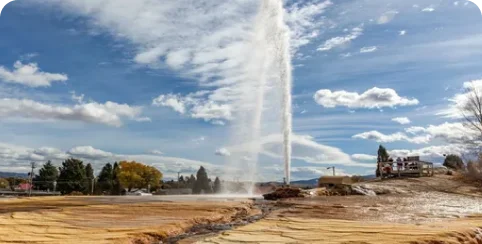
The best-known landmark is the Soda Springs Geyser, a captive geyser in the middle of town that erupts on a timer every hour. A short drive away, Hooper Spring Park lets you taste naturally fizzy spring water for free, with picnic areas nearby. Locals and visitors alike tend to take guests to both.
A few things are different from buying in a city:
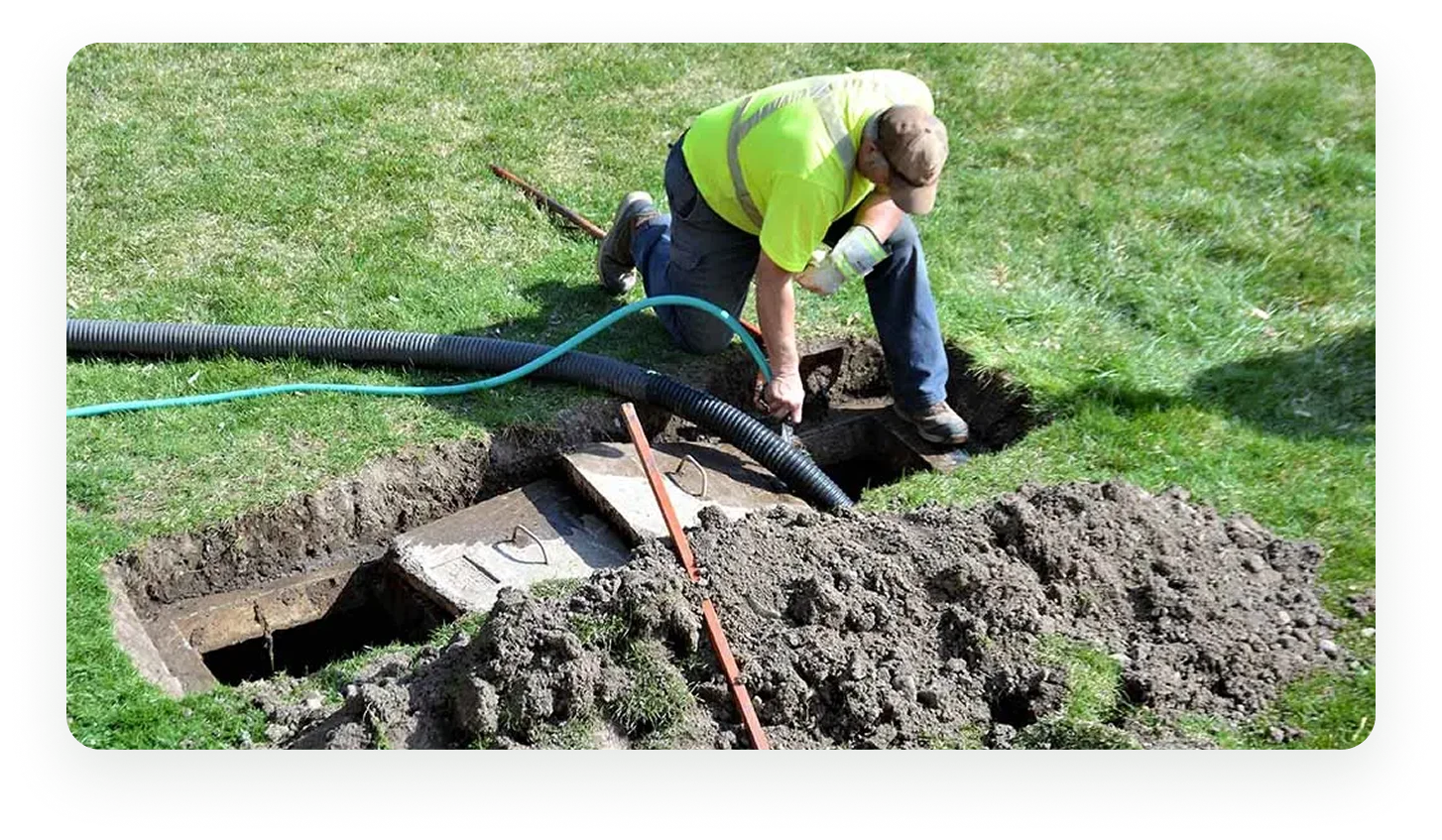
● Homes outside city limits often rely on a private well and septic system, so plan for well, water and septic inspections
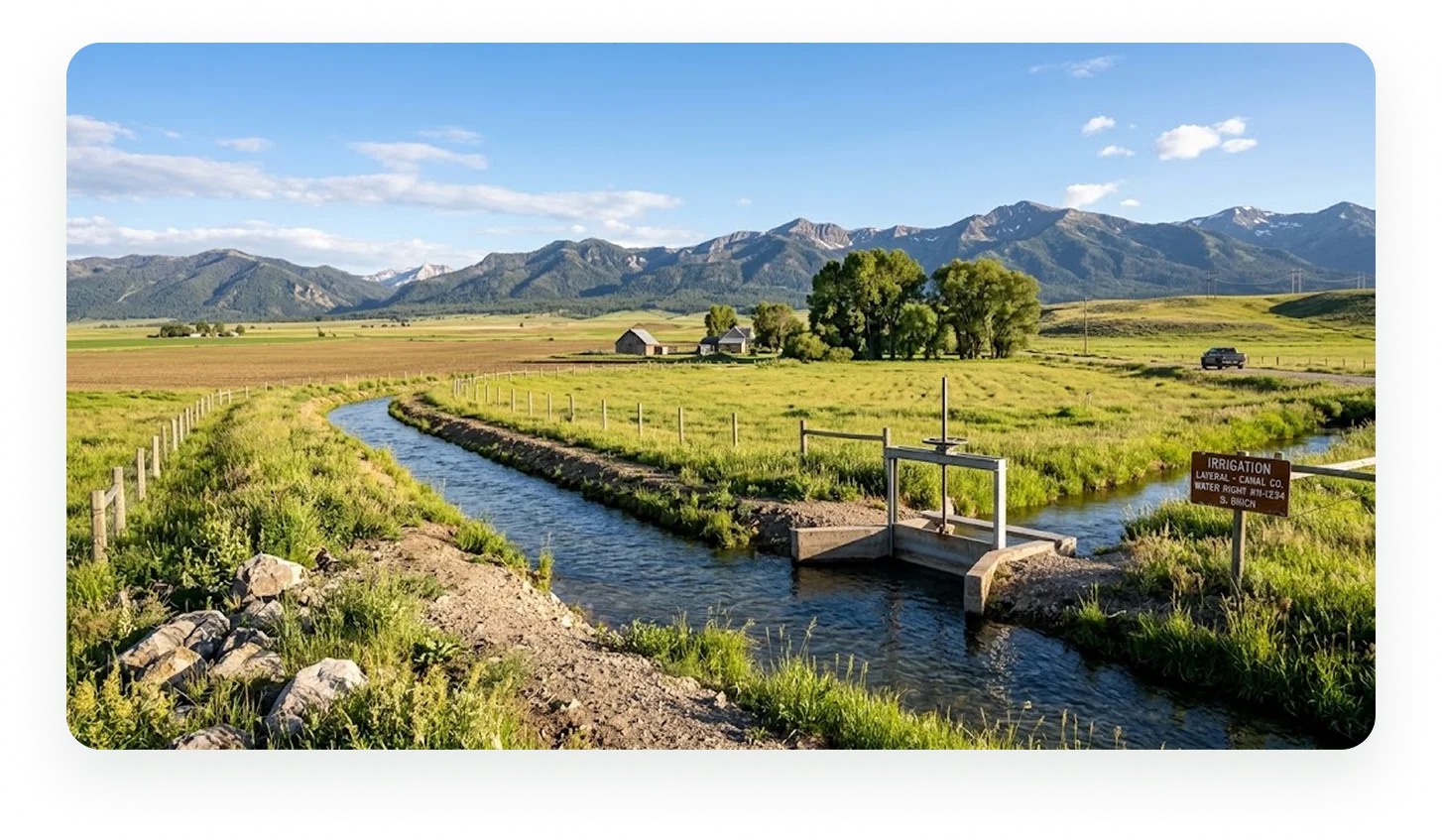
- ● Land and acreage come with questions about water rights, access and zoning—see this guide to buying land in Idaho
- ● Inventory is small, so the right home may appear only once or twice in a season; being pre-approved helps you move quickly
- ● Garages, shops and storage are valued highly because of winter and outdoor gear
Schools
Public schools in Soda Springs are part of Soda Springs Joint School District #150, which includes Thirkill Elementary School, Tigert Middle School and Soda Springs High School. The schools are small, and school activities and sports are a big part of community life. Nearby towns such as Grace have their own districts, so check which district a specific home is in before you buy.
Jobs and the local economy
Unlike many small towns that depend mainly on agriculture, Soda Springs has an industrial base. Phosphate mining and processing in the area provide a significant share of local employment, alongside agriculture, ranching, the school district, healthcare, government and small businesses. U.S. News reports that the local job market compares well with the national average. If you’re relocating for a specific employer, ask them about commute patterns and shift schedules before you choose between in-town and rural living.
Healthcare and everyday services
Caribou Medical Center serves the community locally, and Pocatello—about an hour away—has larger hospitals and specialists. Everyday shopping is available in town, including a full grocery store and farm and home supply stores, but there’s no big-box department store; most residents make regular trips to Pocatello for larger purchases. The City of Soda Springs offers a relocation packet with information on local schools, medical providers and services, which is worth downloading before you move.
Weather and winters
Soda Springs sits at a higher elevation than Pocatello or Idaho Falls, and winters are long, cold and snowy. Plan for snow removal, a vehicle that handles winter roads, and a home with good insulation and heating. Summers are mild and short, which is a big part of the appeal for people coming from hotter climates. When you look at homes, ask about roof age, heating type and costs, and how the driveway and road are cleared.
Things to do
- ● Hiking, hunting, camping, ATV and snowmobile trails in the Caribou-Targhee National Forest
- ● Blackfoot Reservoir to the north for fishing
- ● Lava Hot Springs, about half an hour west, for hot pools and river floating
- ● Bear Lake to the south for summer boating and beaches
- ● Community events, school sports and the town’s historic sites
Getting around
You’ll need a car. There’s no local public transit, Pocatello is roughly an hour’s drive, and the nearest major international airport is Salt Lake City, a drive of around two and a half to three hours. Pocatello and Idaho Falls have regional airports. In return, local commutes are short.
Pros and cons of living in Soda Springs
Pros
● Housing that costs well below the state and national averages
- ● Outdoor recreation in every direction
- ● Small, close-knit community and small schools
- ● Steady local employment base
- ● Short daily commutes
Cons
- ● Limited shopping, dining and entertainment
- ● An hour or more to major retail and specialist healthcare
- ● Small housing inventory, so choice is limited at any one time
Nearby towns worth considering
If you like the area but want a different setting, a few neighboring communities are worth a look:
● Grace — a smaller farming community a short drive west, with its own school district and more rural properties
- ● Bancroft — a small agricultural town near Grace, popular with buyers looking for space
- ● Georgetown and Bennington — small Bear Lake County communities to the south-east along the highway toward Montpelier
- ● Montpelier — the largest town in Bear Lake County, with more shopping and services, and the gateway to Bear Lake
Commutes between these towns are short by city standards, so many families choose a home based on lot size, school district and price rather than the exact town. Comparing them side by side with current prices and recent sales is the best way to decide.
Your first-month checklist after moving
- ● Get an Idaho driver’s license and register your vehicles—check the Idaho Transportation Department for the current deadlines for new residents
- ● If the home is your primary residence, ask the Caribou County Assessor about the homeowner’s exemption on property taxes
- ● Enroll children with Soda Springs Joint School District #150 (or the district for your address)
- ● Find a local doctor and dentist, and note where Caribou Medical Center and the nearest emergency services are
- ● Prepare for winter before the first snow: snow shovel or blower, winter tires, and a check of your furnace and roof
Buying a home in Soda Springs from out of the area
Most people moving here are buying from a distance, which makes preparation more important. Get pre-approved before you start, decide whether you need to be in town or are happy on acreage, and plan a visit to see homes and neighborhoods in person if you can—ideally in winter as well as summer. The guide to the Idaho home-buying process helps you plan around a job start date or school year.
A local agent can tell you things that listings can’t: which roads drift in winter, which areas use city water, and how a home compares with what has actually sold nearby. Working with a Soda Springs realtor who lives and works in the area makes a long-distance purchase much easier.
Frequently Asked Questions
What is the cost of living in Soda Springs, Idaho?
Salary.com estimates the cost of living in Soda Springs at about 9% below the national average, and BestPlaces puts the typical home value at about $265,600. Expect to spend more on driving and winter heating than in a city.
What school district is Soda Springs in?
Soda Springs Joint School District #150, which includes Thirkill Elementary School, Tigert Middle School and Soda Springs High School.
How far is Soda Springs from Pocatello?
Roughly an hour’s drive, which is where most residents go for major shopping, specialist healthcare and the regional airport.
Can you drink the water at Hooper Spring?
Yes—Hooper Spring Park’s naturally carbonated spring water is free for visitors to taste.
Is Soda Springs a good place to raise a family?
Many families choose Soda Springs for its small schools, short commutes, low crime reputation and easy access to the outdoors. The trade-offs are long winters and the drive to Pocatello for larger shopping, specialist healthcare and some activities.
Is housing in Soda Springs cheaper than the rest of Idaho?
Generally, yes. BestPlaces puts the typical Soda Springs home value at about $265,600, well below statewide figures, though prices vary widely between in-town homes and properties with acreage.
Ready to look at homes in Soda Springs?
If Soda Springs sounds like a fit, Brenda can help you understand neighborhoods, prices and timing before you visit. Explore her home buying and selling services or reach out to Brenda to start planning your move.
Planning a move to Soda Springs?
Sources: U.S. News Real Estate (Living in Soda Springs, ID); BestPlaces (Soda Springs cost of living); Salary.com (Cost of Living in Soda Springs, ID 2026); Soda Springs School District #150; City of Soda Springs relocation page (all viewed early October 2026).
Brenda Birch
Brenda Birch is a real estate agent with Mountain Retreat Real Estate LLC in Soda Springs, Idaho, serving buyers and sellers in Caribou and Bear Lake counties.
More About brenda
More Southeast Idaho Guides
buying-land-in-idaho-a-checklist-for-southeast-idaho-buyers
How Long Does It Take to Buy a House in Idaho? A Step-by-Step Timeline
Southeast Idaho Housing Market Update: Soda Springs, Montpelier and Nearby Towns